Category: Export
| No specifications available. |
What Are Raisins?
Leave a Comment / Uncategorized / By dornika nuts
Raisins are dried grapes that are widely consumed around the world for their sweet taste, nutritional value, and long shelf life. They are a natural source of sugars, dietary fiber, vitamins, and minerals, making them a healthy snack and an essential ingredient in cooking and baking. Iranian raisins are especially prized for their quality, variety, and flavor, and they hold a significant position in the global dried fruit market.
Raisin Cultivation in Iran
Iran’s dry and sunny climate is ideal for grape cultivation and raisin production. Grapes are grown across various provinces including:
Khorasan
Zanjan
East and West Azerbaijan
Hamedan
Fars
The grapes are typically harvested between August and October, and the drying process takes place under natural sunlight or in shade depending on the raisin type.
Types of Iranian Raisins
Iran is known for producing several high-quality raisin varieties:
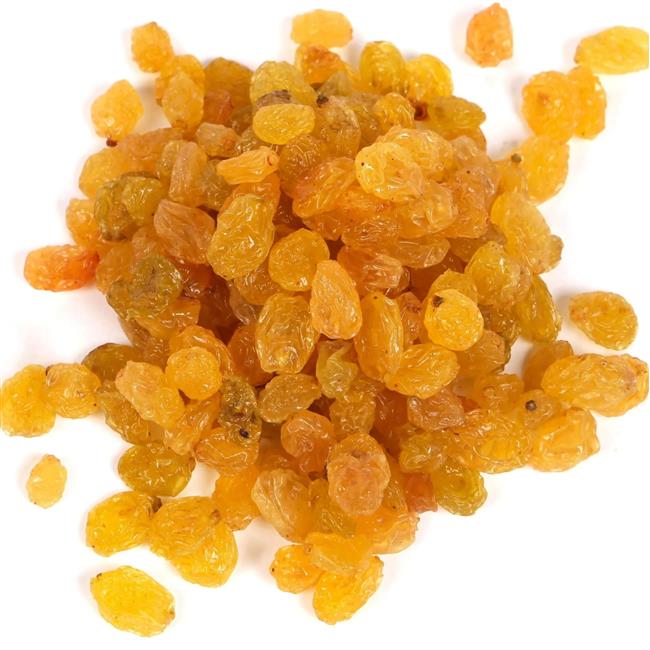
1.Golden Raisins
Sun-dried and then treated with sulfur dioxide to preserve color and increase shelf life. Often used in baking.
2.Sultana Raisins
Made from seedless grapes. Light brown, sweet, and popular worldwide.
3.Malayer Raisins
Dark brown with a soft texture and rich sweetness. Common in Middle Eastern cuisine.
4.Sun-Dried Raisins
Dried naturally in the sun. Dark in color and rich in antioxidants.
5.Green Raisins (Kashmari)
Long, thin, and green in color. Typically dried in the shade to preserve their green hue and unique taste.
Iran’s Raisin Export Market
Iran is one of the top five raisin exporters in the world. The country’s raisin exports account for around 150,000 to 200,000 tons annually, with a wide customer base across multiple continents.
Major Importing Countries
Iranian raisins are exported to over 90 countries, with the major destinations being:
Russia
Iraq
Turkey
United Arab Emirates
Germany
Ukraine
Kazakhstan
India
Afghanistan
Competitive Advantages of Iranian Raisins
Diverse varieties: Offering multiple types to suit different consumer preferences.
Organic and sun-dried: Many are naturally dried without additives.
Cost-competitive: Affordable pricing compared to other countries.
High quality: Premium taste, color, and texture.
Strategic location: Proximity to major markets in Europe, Asia, and the Middle East.
Raisin Processing Methods
Raisins are processed using several traditional and modern methods depending on the variety, region, and desired quality. The main processing methods include:
A.Sun Drying (Natural Drying)
Grapes are spread on trays or ground under the sun. This is the most traditional and cost-effective method, often used for varieties like Thompson seedless. Drying usually takes 2–3 weeks.
B.Shade Drying
Grapes are dried in well-ventilated shaded areas to prevent direct sunlight, preserving color and flavor better than sun drying.
C.Mechanical Drying / Dehydration
Grapes are placed in dehydration tunnels where hot air (usually 40–60°C) is circulated. This method is faster and more hygienic, often used for high-quality export raisins.
D.Dipping in Alkaline Emulsion (Pre-treatment)
Grapes are dipped in a solution containing potassium carbonate and ethyl esters of fatty acids before drying. This accelerates water loss and ensures uniform drying and better appearance.
E.Sulfur Dioxide Treatment
Used mainly for golden raisins, grapes are fumigated with sulfur dioxide to preserve color and inhibit microbial growth.
F.Cleaning and Sorting
After drying, raisins are washed, destemmed, and cleaned using air blowers, sieves, and water. Impurities like stems, dust, and immature berries are removed.
G.Grading and Packaging
Raisins are graded based on size, color, moisture, and defects, and then packaged in bulk or retail containers.
Raisin Grading
Grading raisins is an essential part of quality assurance and varies by country. The most common grading parameters include:
[16:21, 1/2/2026] +98 918 131 6720: 1.Size
Measured in terms of number of berries per pound (e.g., select, small, midget). Fewer berries per pound = larger size.
2.Color
Graded as dark, light, or golden depending on variety and treatment. Uniformity of color is a quality indicator.
3.Moisture Content
Standard moisture content is usually 13–18%. Higher moisture may lead to spoilage.
4.Defects
Raisins are inspected for defects such as:
Embedded dirt
Crystals (sugar or mold)
Damaged or immature berries
Presence of stems or foreign materials
5.Type
Grading also differs by type:
Seedless vs. seeded
Natural vs. sulfur-treated
Organic vs. conventional
6.Certifications
Grades may include certifications like USDA Grade A/B/C, or specific export standards depending on the importing country (e.g., EU Grade, CODEX)